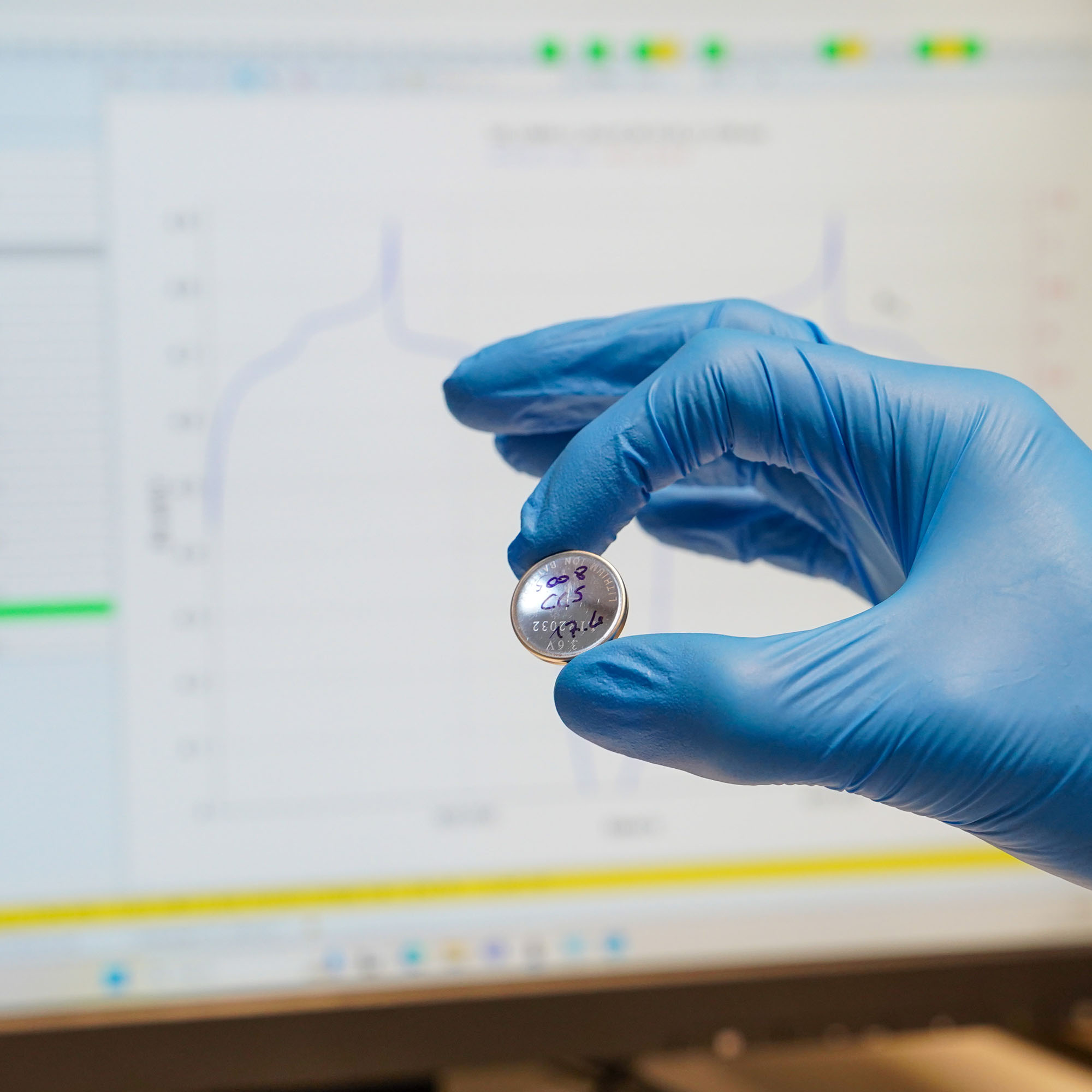
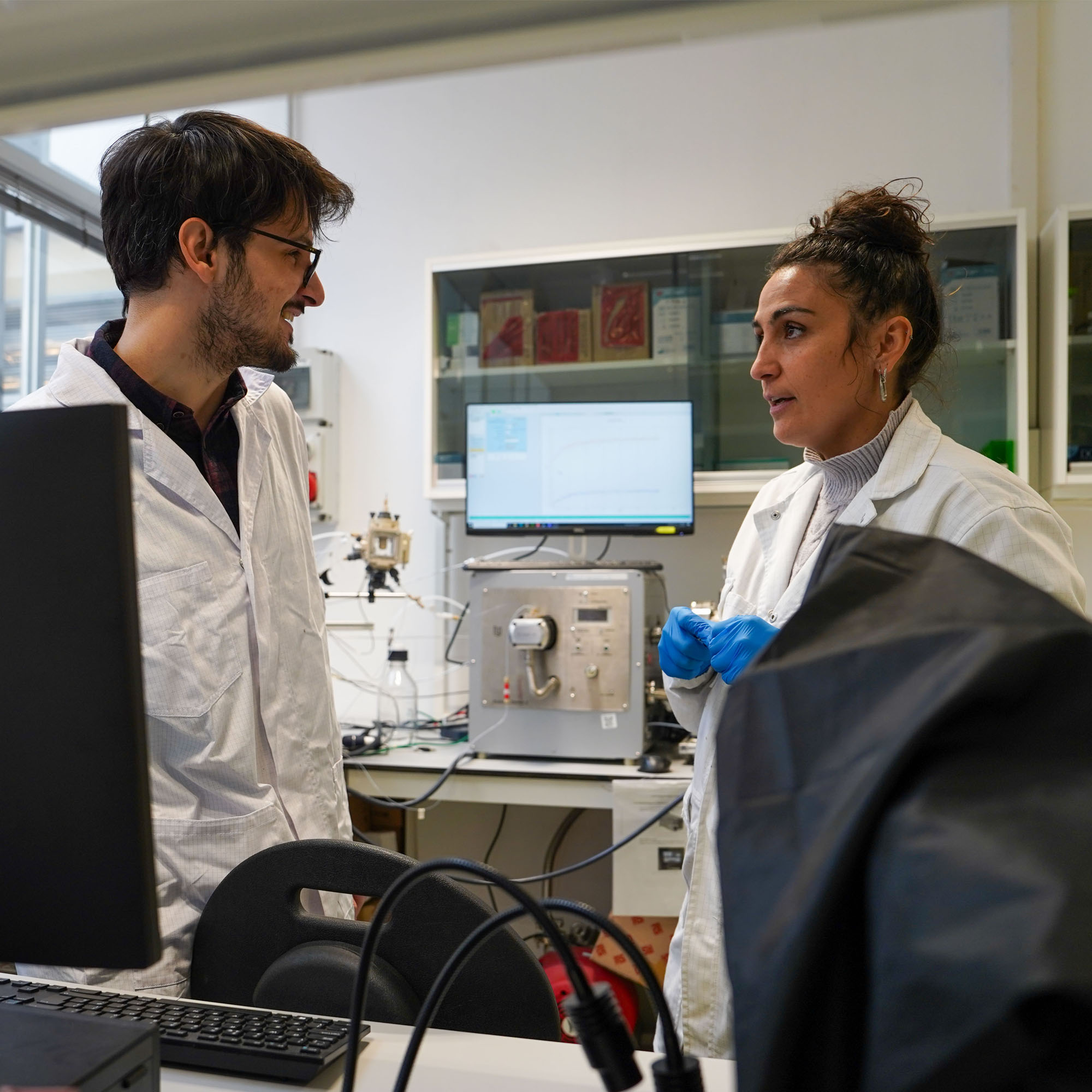
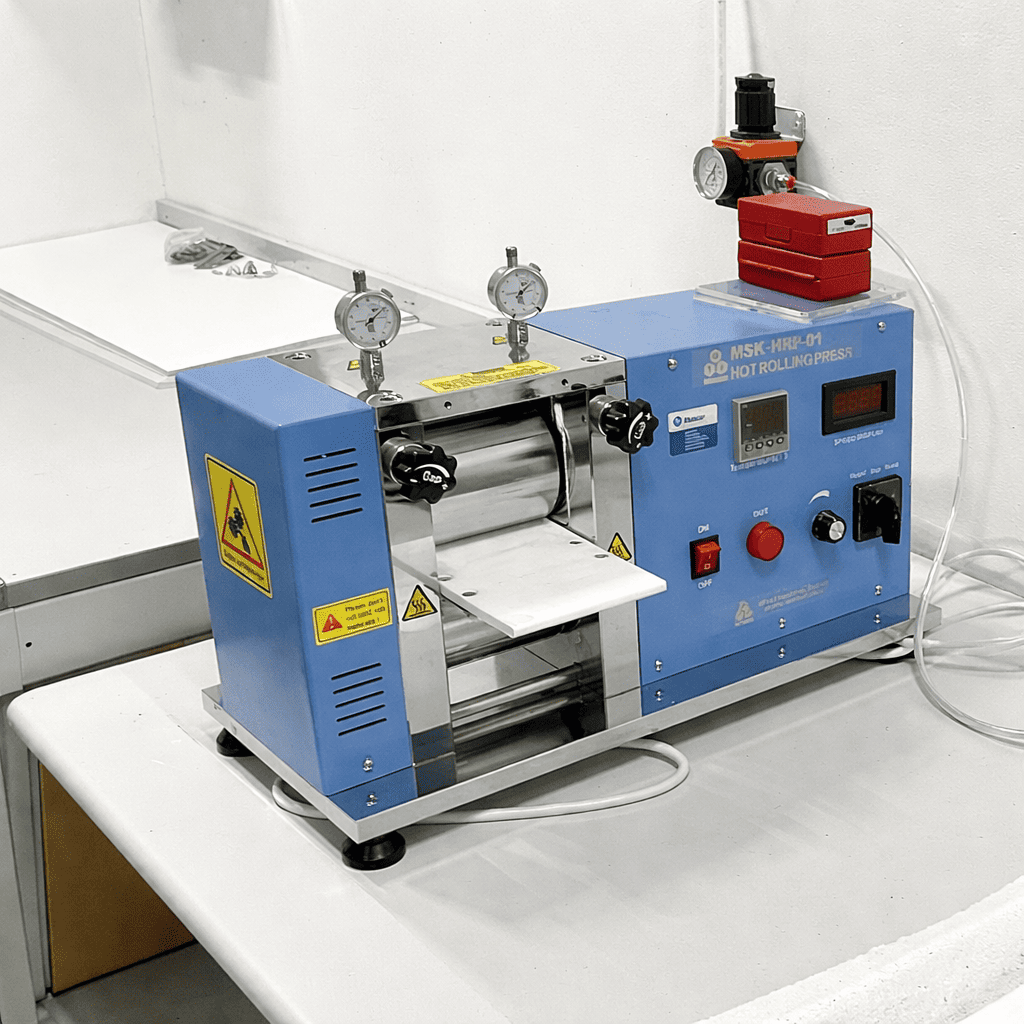
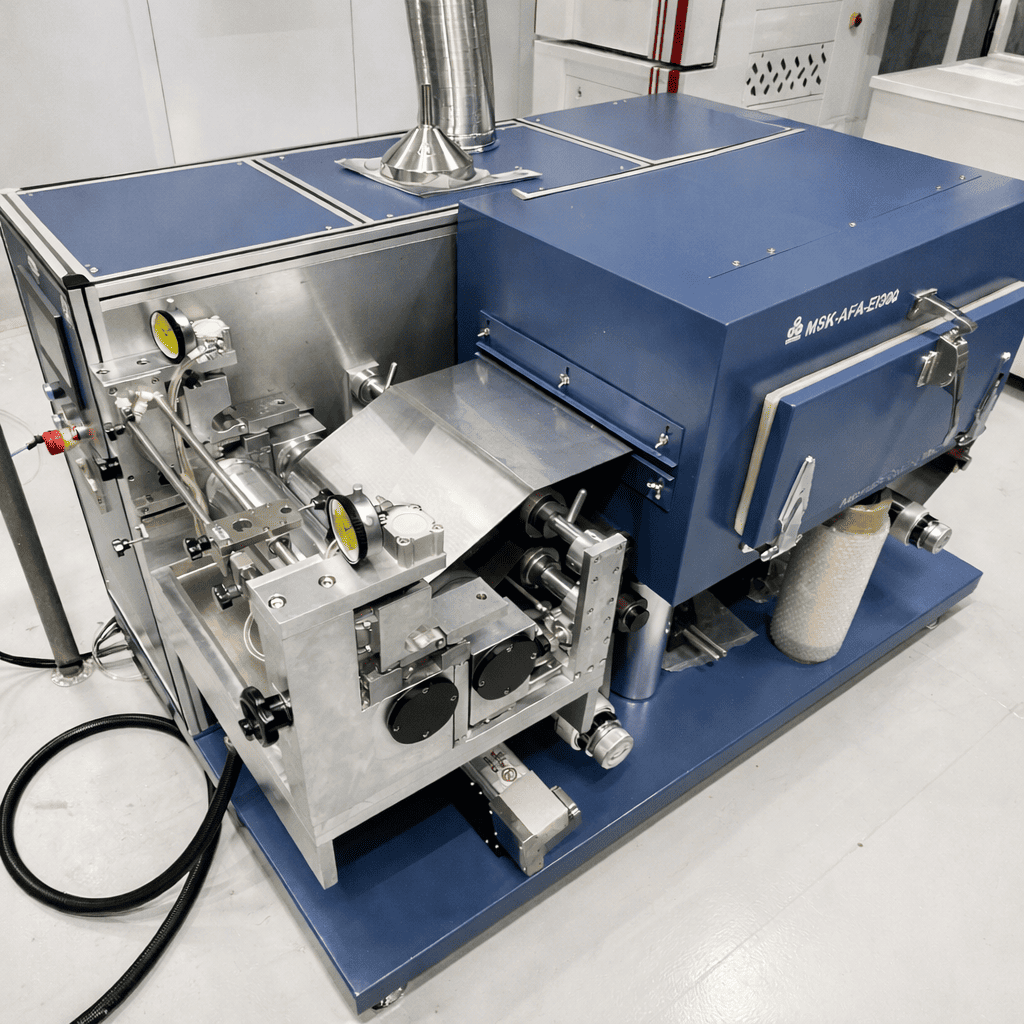
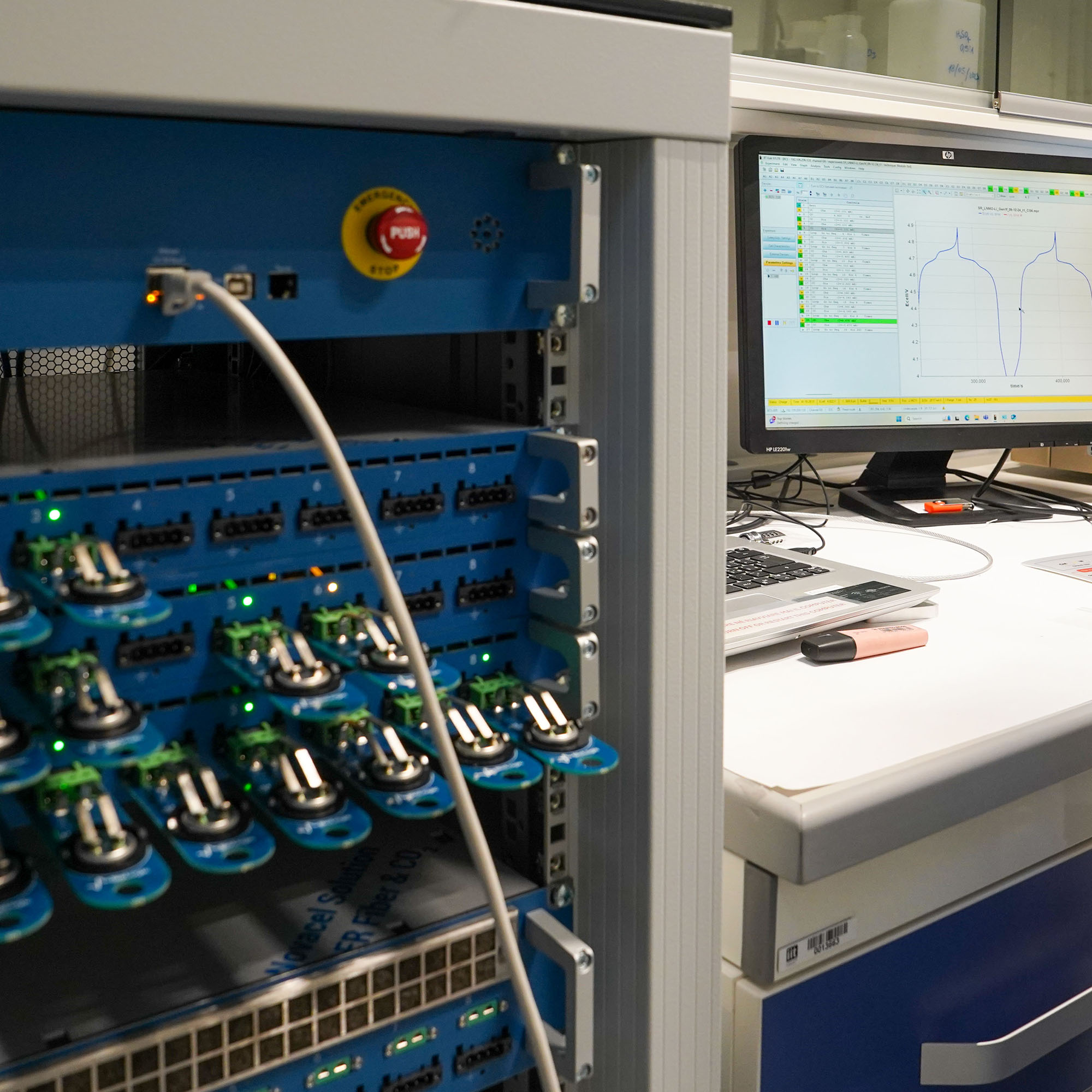
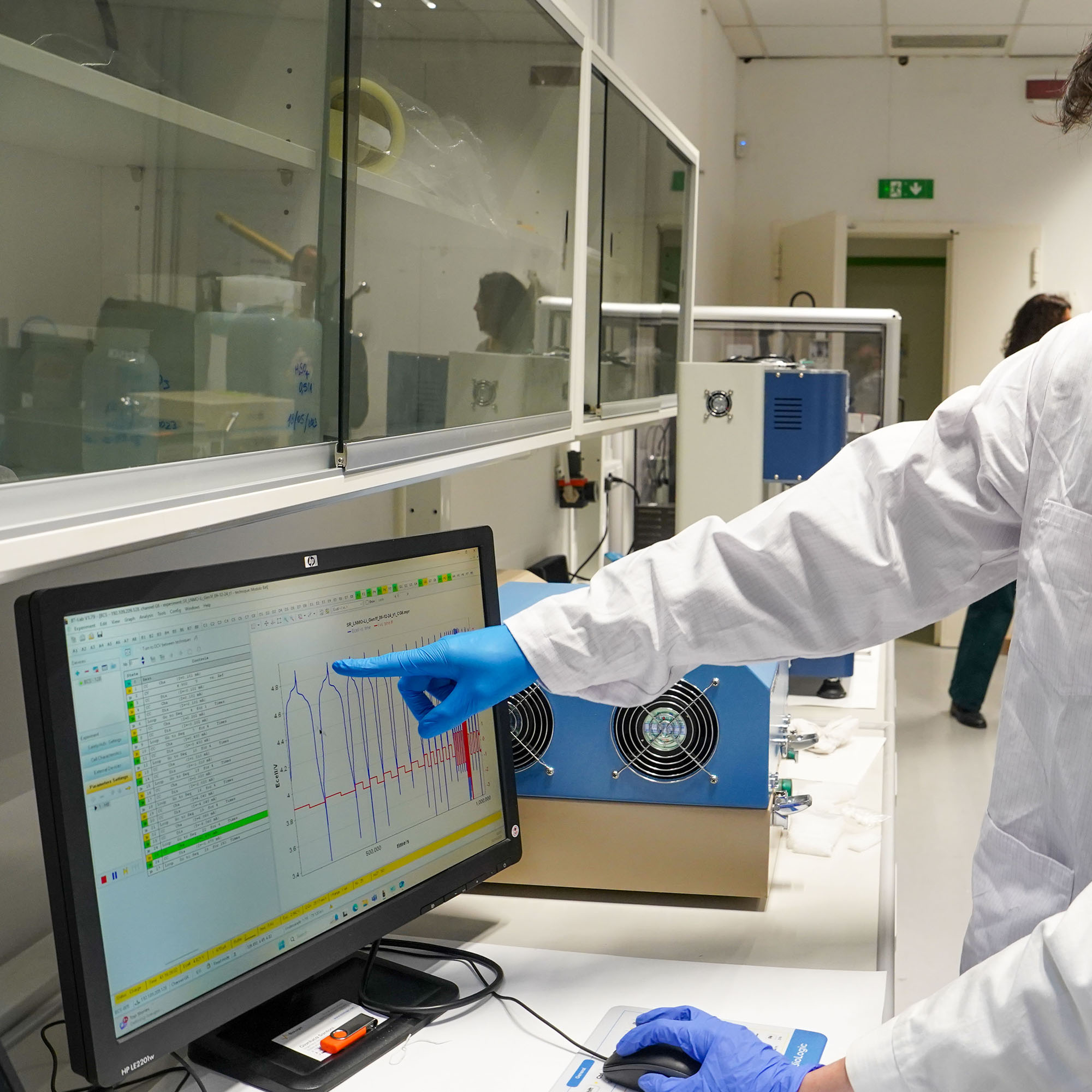
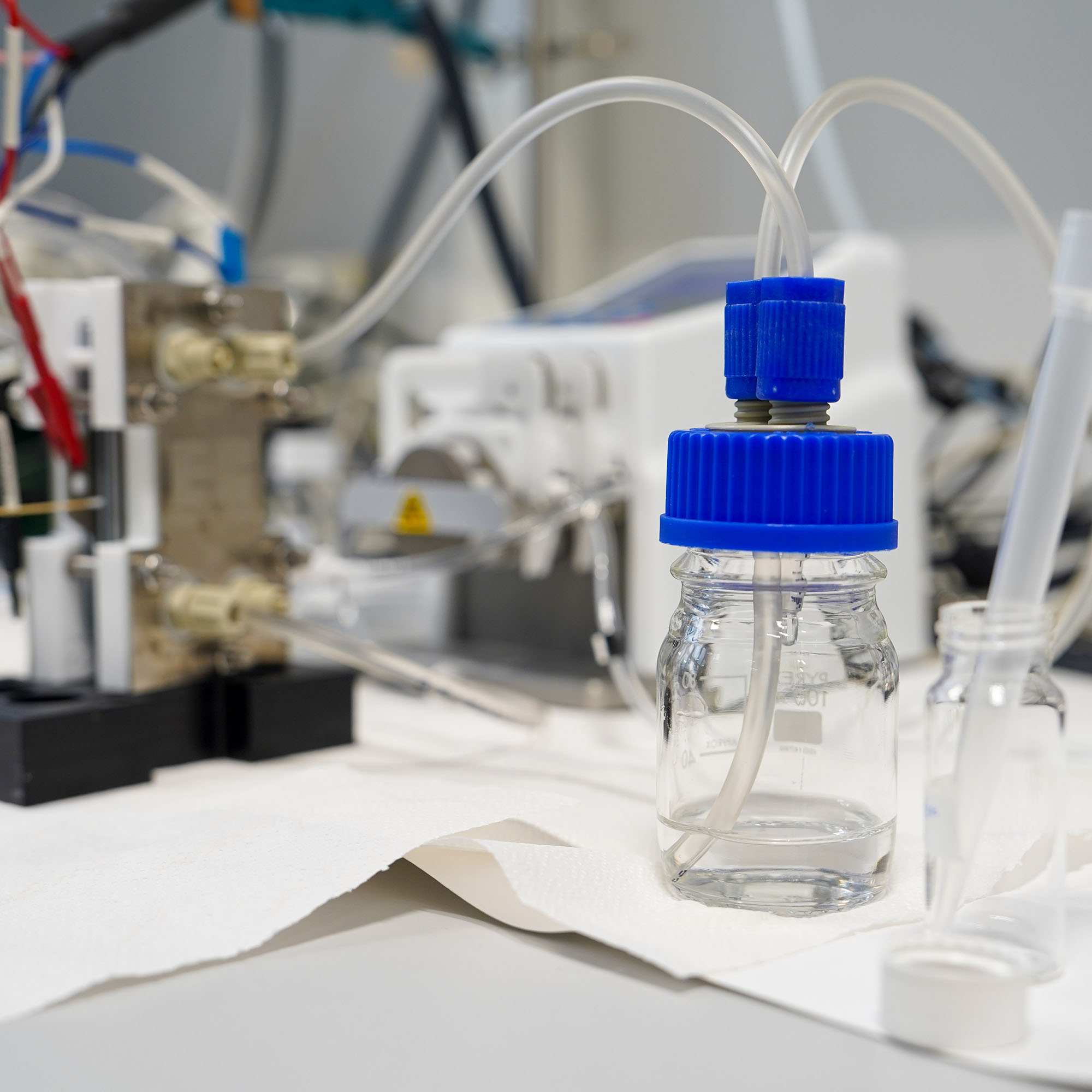
GREEN2MOVE aims to develop sustainable and scalable manufacturing processes for potassium-based batteries, placing Italy at the forefront of post-lithium energy storage research. By focusing on electrodes and other components production, the project introduces greener, safer, and more efficient technologies. It promotes water-based and solvent-free processing to eliminate toxic solvents like NMP, reduce energy use, and enable battery designs optimized for disassembly and recycling. Novel materials such as lignin-based binders and ionic liquid electrolytes are developed using a Design to Manufacture (DtM) approach tailored for industry 4.0 gigafactories.
The project integrates digital solutions through a digital twin of the manufacturing process, enabling real-time optimization and predictive control. A strong focus on sustainability—including life cycle and cost assessments, and direct recycling strategies—guides R&D activities. Over 48 months, GREEN2MOVE will deliver high-TRL prototypes and contribute to a circular, competitive potassium battery industry in Europe, enhancing clean energy storage and supporting economic growth.